
How to Start a Small Herb Garden Indoors: A Beginner’s Guide
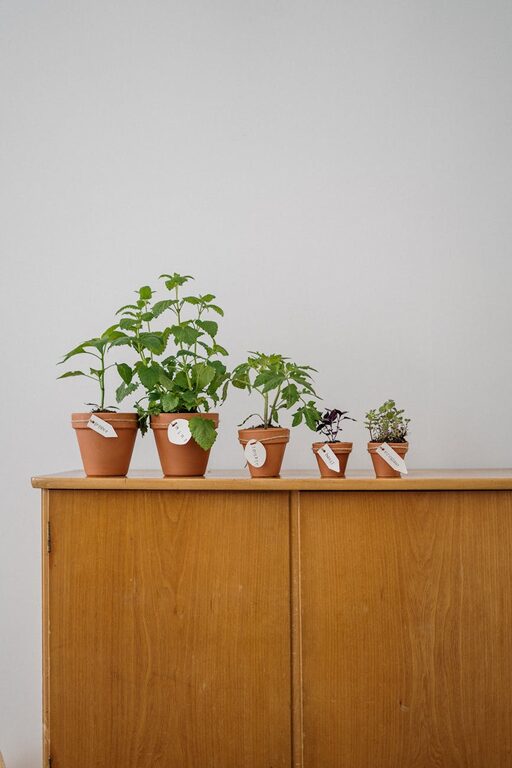
Starting an indoor herb garden is a rewarding way to enjoy fresh flavors year-round. Whether you have a sunny windowsill or limited space, growing herbs inside can brighten your kitchen and enhance your meals. In this guide, we’ll walk you through everything you need to know to create a thriving small herb garden indoors.
Why Grow Herbs Indoors?
Growing herbs indoors is convenient, cost-effective, and fun. You gain quick access to fresh ingredients for cooking and teas without worrying about outdoor weather conditions. Plus, herbs can add a touch of green to your living space, improving air quality and mood.
Choosing the Right Herbs for Indoor Gardening
Not all herbs thrive indoors, so choose varieties known for indoor success. Consider these popular herbs:
– Basil: Great for cooking, prefers warmth and lots of light.
– Mint: Easy to grow, but can spread quickly—best in a separate pot.
– Parsley: Tolerates moderate light and grows slowly.
– Thyme: Requires bright light and minimal watering.
– Chives: Adapt well to indoor conditions with regular watering.
– Cilantro: Needs cooler temps and moderate light.
Start with two to four herb types to keep care manageable.
Selecting Containers and Soil
Choosing Containers
– Use pots with drainage holes to prevent waterlogging.
– Consider small to medium containers (4-6 inches in diameter) for individual herbs.
– Recycled containers like mason jars or small pots can work if drainage is addressed.
Soil Selection
– Opt for a high-quality potting mix designed for indoor plants.
– Avoid garden soil, which may be too heavy and lack proper drainage.
– You can also mix in perlite or vermiculite to improve aeration.
Finding the Right Spot for Your Garden
Herbs need light to thrive indoors — ideally 6-8 hours a day.
– A south or west-facing window usually offers the best natural light.
– If natural light is limited, consider using a grow light designed for plants.
– Rotate your pots weekly to ensure even growth.
Planting Your Herb Garden
Starting From Seeds
– Fill pots with potting mix, leaving about an inch from the top.
– Sprinkle seeds evenly, then cover lightly with soil.
– Water gently but thoroughly.
– Keep soil moist but not soggy.
– Germination times vary: basil takes about a week; parsley can take longer.
Using Starter Plants
– If buying young herb plants, gently loosen roots before planting.
– Place in pots with fresh potting mix.
– Water immediately and keep in a well-lit area.
Caring for Your Indoor Herb Garden
Watering
– Herbs generally prefer soil to dry slightly between watering.
– Check soil moisture by sticking a finger about an inch deep.
– Avoid overwatering to prevent root rot.
Light and Temperature
– Maintain temperatures between 65°F and 75°F (18°C–24°C).
– Avoid placing herbs near heating or cooling vents.
Feeding Your Herbs
– Use a balanced, water-soluble fertilizer every 3-4 weeks.
– Follow package instructions carefully to avoid overfeeding.
Pruning and Harvesting
– Regularly prune herbs to encourage bushier growth.
– Harvest leaves by cutting just above a node (where leaves sprout).
– Avoid taking more than one-third of the plant at a time.
Troubleshooting Common Indoor Herb Problems
– Yellow leaves: Often due to overwatering or poor drainage.
– Leggy plants: Usually from insufficient light. Move herbs to a brighter location or use grow lights.
– Pests: Check for aphids or spider mites. Wipe leaves with soapy water or use insecticidal soap if needed.
Tips for Success
– Label your herbs to keep track of varieties.
– Use shallow trays under pots to catch water and protect surfaces.
– Experiment with different herb combinations once confident.
Enjoy Your Harvest
Having fresh herbs on hand can transform your cooking. Add leaves to salads, soups, or homemade sauces. Growing herbs indoors is not only enjoyable but also adds a bit of nature to your indoor life. Start small, be patient, and watch your herb garden flourish!